
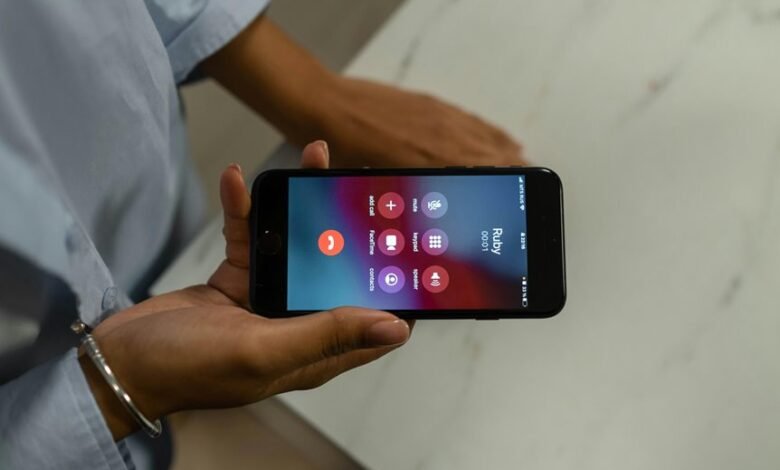
Contact Logic Start 508-501-5175 is examining verified caller identity to ensure calls originate from claimed numbers and trusted entities. The approach prioritizes privacy, consent, and auditable proofs while minimizing friction. It relies on cryptographic bindings, trusted attestations, and layered verification to reduce deception in finance, healthcare, and enterprise communications. Interoperability and governance considerations shape implementation, with measurable risk outcomes guiding decisions. Stakeholders should weigh benefits against privacy implications as they consider next steps.
What Verified Caller Identity Means for You
Verified Caller Identity refers to confirming that a received call genuinely originates from the purported number and is tied to a verified entity. The concept empowers individuals by reducing deception and undue risk, enabling informed decisions. It emphasizes privacy labels and caller consent, ensuring transparency while preserving autonomy. Practitioners should implement clear disclosures, minimize friction, and uphold accountability without compromising personal freedom.
How Modern Verification Technologies Work
Modern verification technologies employ a combination of cryptographic proofs, telephony signaling data, and trusted third-party attestations to establish caller authenticity. They rely on layered verification protocols to bind caller identities to cryptographic keys and signaling events, enabling scalable, auditable checks. While empowering users with transparency, these systems emphasize identity assurance, reducing impersonation risk without compromising freedom, privacy, or interoperability.
Real-World Use Cases and Risk Mitigation
Real-world deployments of verified caller identity span financial services, healthcare, customer support, and enterprise communications, where authenticated caller credentials enable trust, accountability, and fraud reduction without compromising user privacy.
Verified identity credentials streamline KYC, reduce fraudulent attempts, and accelerate legitimate interactions.
Risk mitigation relies on continuous posture checks, anomaly detection, and privacy-preserving verification, ensuring entities maintain autonomy while safeguarding user data and operational resilience.
Choosing, Evaluating, and Adopting Trusted Solutions
When selecting and integrating trusted identity solutions, organizations should begin by defining concrete goals, risk tolerance, and compliance requirements, then map these to verifiable criteria such as authentication strength, privacy guarantees, interoperability, and cost.
The process emphasizes choosing strategies and evaluating vendors with objective benchmarks, objective risk assessment, and clear governance.
Freedom-minded buyers prioritize interoperability, measurable outcomes, and reduced vendor lock-in through transparent contracts and audits.
Conclusion
In sum, verified caller identity offers a principled path to authenticating who calls and why, reducing impersonation risk without surrendering user privacy. Modern cryptographic bindings, attestations, and auditable proofs enable trusted connections across finance, healthcare, and enterprise sectors. Yet adoption must be measured: governance, interoperability, and consent controls must align with practical workflows. A cautious, phased rollout—with clear disclosures and rollback options—will minimize friction. And yes, in 1990s chatrooms, trust was instant; today it must be verifiably earned.