
Review Number Registry Archives for 3517297678, 3510286481, 3382254458, 3922821805, 3509051002

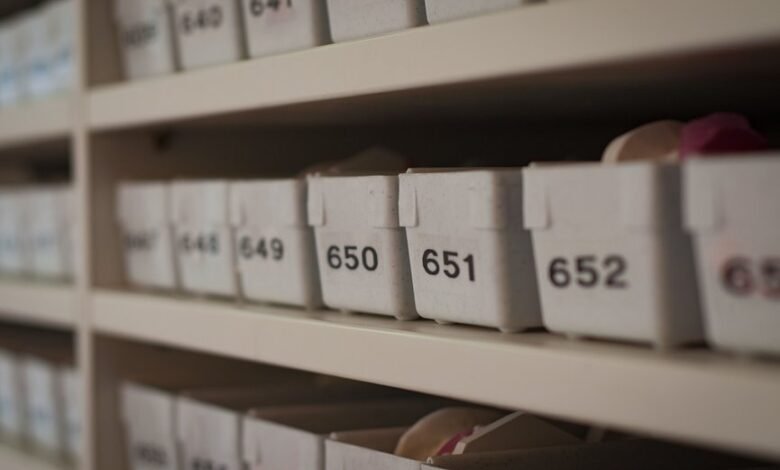
The review number registries for 3517297678, 3510286481, 3382254458, 3922821805, and 3509051002 present granular, entry-by-entry records with metadata patterns and timestamp sequences. Provenance cues and cross-references test archivist reliability, while inconsistencies between IDs and actions demand careful scrutiny. Gaps and discrepancies create prudent caution in interpretation. A clear path emerges, but the implications for cataloging and verification remain contingent on unresolved crosswalks and provenance triangulation. The stakes for governance-minded evaluators are nontrivial.
What the Review Number Registry Reveals About Each Entry
The Review Number Registry yields a granular accounting of each entry, exposing patterns in metadata, timestamp sequences, and cross-references that warrant scrutiny.
The analysis emphasizes granular review insights, noting inconsistencies between entry IDs and associated actions.
Archival crosswalks are referenced to map origins, but gaps persist.
Each entry invites cautious interpretation, avoiding assumptions while signaling areas for targeted verification and independent validation.
How Provenance and Cross-References Validate Archivist Reliability
How do provenance records and cross-references substantiate archivist reliability? Provenance establishes custody chains and authenticity, while cross-references reveal corroborating sources and parallel records. This method exposes inference limits and reduces reliance on singular narratives. Systematic source triangulation highlights inconsistencies, prompting scrutiny. The discipline rewards skepticism, ensuring conclusions derive from verifiable links rather than assumptions about authorship or sequence.
Navigating Gaps: Gaps, Discrepancies, and Practical Audit Tactics
Often, gaps and discrepancies in archival records reveal where documentation is incomplete or divergent, demanding a disciplined audit approach that separates evidence from assumption. The study proceeds with meticulous scrutiny, cross-checking timestamps, sources, and custodial notes while resisting speculative leaps. It foregrounds unrelated topic reflections and flags irrelevant insights, ensuring a precise, skeptical protocol that sustains freedom through accountable cataloging and verifiable alignment.
From Data to Decision: Applying Insights to Cataloging and Verification
In applying insights from prior gaps and verification practices, catalogers translate extracted evidence into concrete, auditable classifications and procedures. Insight mapping informs how anomalies become rules, while a verification strategy anchors decisions in reproducible steps. Decisions reflect skeptical scrutiny, ensuring traceability, repeatability, and resilience.
Freedom-minded readers value transparent criteria, enabling independent validation, ongoing refinement, and accountable catalog governance through disciplined data-to-decision workflows.
Frequently Asked Questions
How Are Entries Prioritized by Impact Within the Registry?
Entries in the registry use impact prioritization, weighing severity, reach, and provenance reconciliation; entries with greater potential disruption receive earlier attention, while skeptical verification curtails premature escalation, preserving freedom by verifying provenance before commitment.
Who Maintains Audit Trails for Registry Edits and Access?
Audit trails for registry edits and access are maintained by dedicated security personnel and system administrators who implement auditing practices and access controls, ensuring verifiable logs, restricted modification rights, and skeptical review of every administrative action for freedom-minded oversight.
Can User-Contributed Notes Affect Official Provenance Markings?
User contributed notes cannot reliably alter official provenance marks; skepticism remains that auxiliary input may contaminate records, unless provenance systems enforce immutable lineage, rigorous authentication, and separate audit trails to preserve authenticity and freedom from unverified edits.
What Privacy Constraints Influence Data Disclosure in These Records?
Privacy constraints govern data disclosure, limiting access to sensitive details; records balance transparency with protection. Like a locked cabinet, an anecdote about a witness who is heard but not identified illustrates caution, skepticism, and guarded freedom.
How Are Conflicting Sources Reconciled in Final Entries?
Conflicting sources are reconciled through structured conflict resolution, prioritizing verifiable data provenance; discrepancies are annotated, evidence trails traced, source credibility weighed, and final entries reflect cautious synthesis rather than definitive claims, preserving openness for scrutiny and freedom.
Conclusion
The review number registry, though granular and cross-referenced, reveals a pattern of meticulous provenance checks tempered by detectable inconsistencies and gaps. Each entry benefits from triangulated cross-references and independent audits, yet unresolved anomalies demand cautious interpretation. In cataloging practice, the evidence should be treated as a work in progress rather than definitive; conclusions must be revisable as new crosswalks emerge. As the adage goes: trust but verify.