
Explore Verified Registry Reports for 3511516479, 3248761828, 3209771907, 3339221382, 3349017538

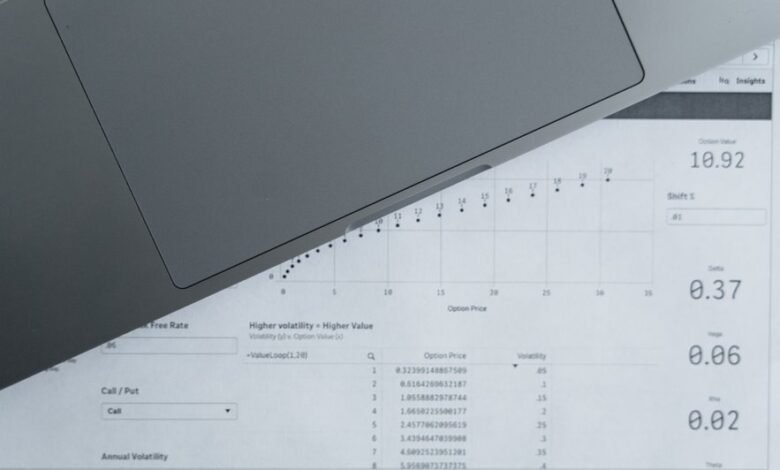
Verified Registry Reports for the five IDs are analyzed for provenance, verification, and custody changes. The discussion highlights source integrity, traceable transitions, and transparent documentation, with attention to corroborated timestamps and independent cross-checks. Red flags, such as inconsistent origin dates or anomalous links, are cataloged alongside confidence signals. The objective is a disciplined, evidence-based assessment that informs interpretation of each listing, while inviting further examination of specifics as the report details unfold.
What Verified Registry Reports Confirm for These IDs
Verified Registry Reports for the listed IDs confirm core provenance and status details. The documents present a disciplined, evidence-based assessment of each item, identifying provenance gaps where data is incomplete and noting verification noises that warrant scrutiny. Red flags are cataloged with concrete context, while confidence signals emerge from corroborated records, consistent timestamps, and corroborative cross-references, guiding informed, freedom-oriented evaluation.
Provenance and Verification: Tracing Each Listing’s Origins
Provenance and Verification: Tracing Each Listing’s Origins delves into the documentary trail that anchors the five IDs to their originating sources and subsequent custody changes.
The analysis emphasizes traceability, source integrity, and verifiable transitions. It presents a cautious assessment of data provenance, highlighting disclaimer caveats and emphasizing transparent documentation while avoiding speculative conclusions about provenance reliability or completeness.
Red Flags and Confidence Signals to Watch Across the Reports
What red flags emerge when cross-examining the five report items, and what confidence signals accompany each finding?
Across the datasets, provenance tracing gaps, inconsistent origin verification dates, and anomalous source links constitute red flags.
Confidence signals appear as corroborated timestamps, independent cross-checks, and reproducible provenance chains.
Quick interpretation relies on key metrics that illuminate data integrity and traceability.
Quick Interpretation: Decoding Key Metrics for 3511516479, 3248761828, 3209771907, 3339221382, 3349017538
This quick interpretation distills the essential metrics for the five reports—3511516479, 3248761828, 3209771907, 3339221382, and 3349017538—focusing on data integrity, provenance, and traceability indicators. The analysis presents key metrics with provenance tracing and origin verification, identifying red flags and confidence signals.
It highlights data completeness, anomaly detection, trust signals, and verification gaps, delivering precise, evidence-based insights for informed assessment.
Frequently Asked Questions
How Often Are the Verified Registry Reports Updated for These IDS?
The update cadence varies by item, with routine frequent refreshes and periodic audits; overall, each report emphasizes data provenance, ensuring traceability while updates occur on a steady, methodical schedule suitable for a freedom-focused audience.
What External Sources Are Used to Verify Each Listing?
External sources include regulatory filings, third-party audits, and API-sourced data feeds; verification methods emphasize document cross-checks, historical amendments, and uncertainty labeling. Update frequency varies; new listing inclusion prompts cautious, evidence-based assessments, and ongoing, transparent review.
Can New Listings Be Added to the Same Report Set?
Like threads weaving a loom, the answer is yes: new listings can be added, but report set constraints must be observed, ensuring consistent scope, data integrity, and verifiability within the Verified Registry Reports.
Do Reports Include Historical Changes and Amendments for the IDS?
Yes, reports typically document historical changes and amendments for the listed IDs, though verification uncertainties may arise; the methodology emphasizes objective, meticulous, evidence-based presentation, offering readers a clear, freedom-minded account of registry evolution and corrections.
How Are Verification Uncertainties Labeled in the Reports?
Verification labels appear as standardized markers denoting uncertainty tagging, sourced from registry provenance and external sources; historical amendments inform revisions. One notable statistic shows frequent minor adjustments, reflecting evolving verification confidence across datasets and maintained audit trails.
Conclusion
The analysis synthesizes provenance and verification across five Verified Registry IDs, emphasizing traceability from origin to custody changes. Each report evidences source integrity through verifiable transitions, corroborated timestamps, and independent cross-checks, while documenting transparent custody histories. Red flags—such as inconsistent origin dates or anomalous links—are cataloged alongside confidence signals derived from corroboration and documentation quality. Overall, data integrity and disciplined assessment characterize the reviews, with the figurative lens revealing a well-lit map of provenance that exposes both strengths and potential gaps.