Caller Information Search: 959-299-4800, 2562802948, 833-204-9195, 1753941775, 866-271-9305, 817-984-2334, 207-228-1210, 8014388838, 8888844896 & 631-825-5526

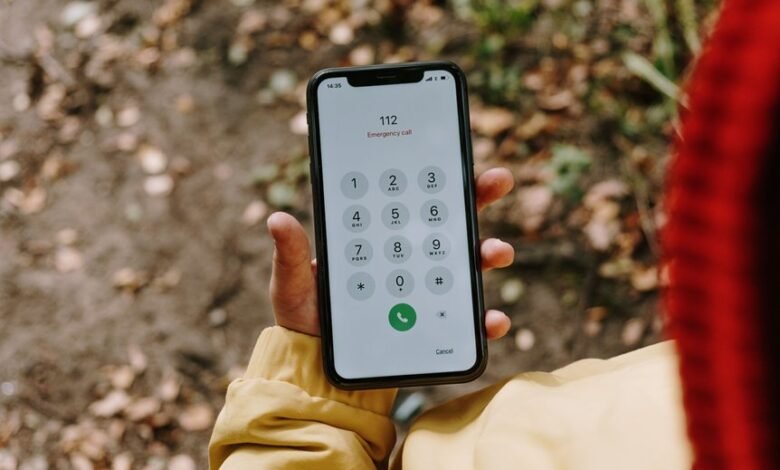
Caller information search for these numbers involves verifying identity, contact details, and call context to assess legitimacy. It combines identification tools, logs, and metadata with corroborated records, prioritizing privacy and data minimization. By cross-checking against trusted databases and analyzing patterns, it aims to enable reliable verification and reduce deception. The approach raises questions about accuracy and ethics, leaving the reader to consider how best to proceed with caution.
What Caller Information Search Is and Why It Matters
Caller information search refers to the process of locating and verifying data about a caller, including identity, contact details, and context for the call.
It supports accountability and safety by enabling clear records and informed decisions.
The concepts of caller identification and call tracing underpin reliable verification, reduce deception, and enable targeted responses while preserving privacy and compliance across communications landscapes.
How to Trace a Call: Tools, Methods, and Best Practices
Tracing a call involves identifying the source and context of a telecommunications event by combining technical data, regulatory guidelines, and corroborated records.
The process relies on caller identification tools, logs, and metadata to map origins while respecting privacy protection standards.
Analysts employ caller analytics to assess patterns, and scam verification steps confirm legitimacy without compromising lawful surveillance or user consent.
Spotting Scams and Verifying Legitimacy Across Numbers
In the wake of tracing methodologies, identifying scams and verifying legitimacy across numbers requires a disciplined assessment of call context, source metadata, and corroborating records. Researchers note patterns from unverified callers and cross-check against caller databases to separate legitimate entities from impostors. Cautious evaluation emphasizes corroboration, source reliability, and objective criteria to minimize misclassification and preserve user trust.
Protecting Your Privacy While Reaching Verified Contacts
Protecting privacy while reaching verified contacts requires careful balance between accessibility and data minimization. The approach emphasizes privacy awareness and minimal data sharing, ensuring only essential details are exchanged. Verification processes certify contact legitimacy without exposing personal identifiers. Organizations should implement robust authentication, limit metadata, and document retention policies, enabling trusted communication while safeguarding user autonomy and freedom of connection. contact verification.
Frequently Asked Questions
Can These Numbers Be Linked to a Specific Company or Person?
Yes, such numbers can sometimes be linked to entities, but results vary; methods include Phone tracing, identity verification, and cross-referencing Caller databases. LinkedIn vetting may reveal associations for legitimate purposes within privacy-conscious, compliant frameworks.
Do I Need Paid Tools to Identify Caller Information Quickly?
Paid tools speed Caller IDs and Reverse lookup, but freedom-minded users can verify cautiously; beware Spoofing risks, and balance cost with necessity when deciding to rely on paid tools for quick caller information.
How Often Do Numbers Get Reassigned or Spoofed?
Numbers can be reassigned within days to weeks and spoofed continually; users should anticipate frequent changes, acknowledging reluctant consent and data collection concerns, while seeking transparent practices and opt-out options to uphold personal freedom and privacy.
Are There Legal Limits to Tracing Private or Withheld Numbers?
Legal limits exist on tracing private or withheld numbers, balancing law enforcement interests with privacy. Tracing privacy is protected; permissible action requires proper authorization, compliance with statutes, and minimization of data collection, ensuring necessity, proportionality, and transparency to the public.
Can I Block Numbers Without Sharing My Own Contact Details?
Block caller privacy is possible; individuals may block numbers without sharing their own contacts, though some services require partial disclosure. The action should verify identities, ensuring safe communication while preserving autonomy and freedom to reject unwanted calls.
Conclusion
The piece concludes that effective caller information search hinges on careful verification, cautious data handling, and corroborated records to distinguish legitimate contacts from deception. By combining identity checks, call metadata, and trusted databases, users reduce risk while respecting privacy. As the adage goes, “trust but verify”—verification should accompany every contact attempt. When used prudently, these practices protect both individuals and organizations, enabling safer communication without overexposure of personal details.