
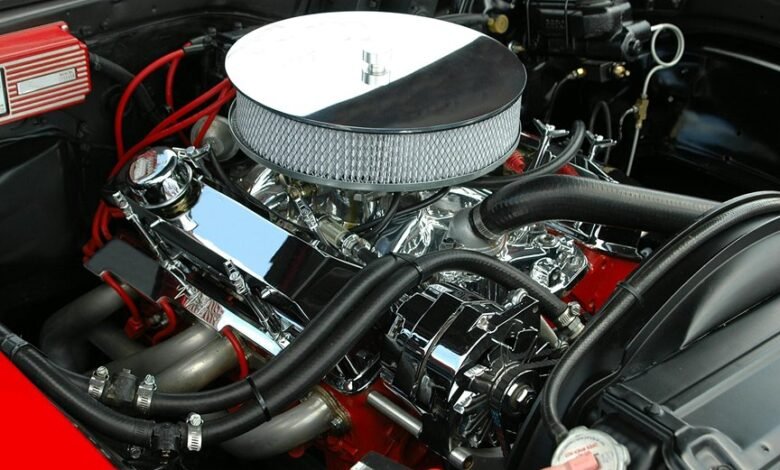
Performance Maximization 3162523164 Digital System targets throughput, low latency, and energy efficiency through principled optimization and scalable planning. It emphasizes adaptive algorithms, hardware-aware tuning, and principled resource management to balance utilization, latency, and power. Data-driven measurement informs feedback loops, supporting reliability gains and cost efficiency. Benchmarks, variance awareness, and trade-offs guide resilient, repeatable improvements. The approach invites scrutiny of real-world constraints and performance ceilings, inviting further inquiry into systemic gains.
What Performance Maximization Means for Modern Digital Systems
Performance maximization in modern digital systems centers on delivering higher throughput, lower latency, and improved energy efficiency through principled optimization.
The analysis emphasizes scalability planning and latency budgeting, aligning capacity with demand and constraining worst-case delays.
Results-driven evaluation guides trade-offs, with data-driven benchmarks revealing marginal gains.
Freedom-minded stakeholders seek measurable improvements, enabling resilient, repeatable performance gains across diverse workloads and evolving architectures.
Put Core Techniques to Work: Adaptive Algorithms, Hardware-Aware Tuning, and Resource Management
To realize the gains outlined earlier, practitioners implement core techniques that adapt to varying workloads and hardware targets: adaptive algorithms that adjust behavior in real time, hardware-aware tuning that aligns software patterns with architectural features, and principled resource management that balances utilization, latency, and energy. These core techniques yield measurable improvements in throughput, latency variance, and power efficiency, enabling freedom-driven performance exploration.
Adaptive algorithms, hardware aware tuning, Resource management.
Measure Success: Throughput, Reliability, and Cost-Efficiency in Real Systems
Real-world systems demand concrete metrics that reflect actual operation. Measured throughput, reliability, and cost-efficiency form the triple lens for performance evaluation.
Throughput optimization targets sustained, bottleneck-free flow across workloads, while reliability assurance guards availability and error resilience under real conditions.
Data-driven reporting, variance-aware benchmarks, and optimization feedback loops translate measurements into actionable improvements for scalable, freedom-enabled digital systems.
Conclusion
Performance Maximization 3162523164 Digital System demonstrates how adaptive algorithms, hardware-aware tuning, and principled resource management jointly elevate throughput, reduce latency, and lower energy use. Real-time measurement informs feedback loops that optimize reliability and cost-efficiency, with data-driven benchmarks guiding trade-offs. The approach aligns workloads to architectures, yielding measurable gains in both performance and resilience. In short, the system keeps optimizing until performance is rock-solid and costs are kept in check—achieving results that truly scale.