
Professional Sector Performance Evaluation Featuring 623326824, 6786194981, 2679549716, 34230723, 5165029686, 3162823455

The evaluation of performance within the professional sector increasingly relies on specific metrics, such as 623326824 and 6786194981. These identifiers represent critical data points that inform organizational effectiveness. By harnessing data-driven insights, companies can pinpoint strengths and weaknesses. Emphasizing a culture of accountability, the integration of advanced technologies offers promising avenues for enhancing evaluation accuracy. However, as the landscape evolves, the implications of these changes warrant careful examination. What lies ahead for performance measurement?
Understanding Key Performance Metrics
How can organizations effectively gauge their performance? By utilizing key metrics and performance indicators, they can objectively assess their operational efficiency and strategic alignment.
Key metrics provide quantifiable insights into various aspects of performance, while performance indicators benchmark progress against goals. This data-driven approach enables organizations to identify strengths, weaknesses, and opportunities for improvement, fostering a culture of freedom through informed decision-making.
The Role of Data-Driven Insights in Evaluation
Data-driven insights serve as a cornerstone in the evaluation process, offering organizations a robust framework for performance assessment.
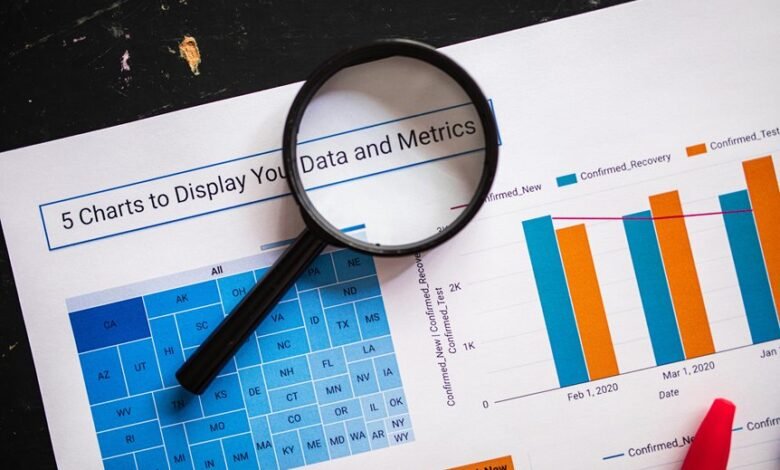
Utilizing data visualization techniques, stakeholders can easily interpret complex information, enhancing clarity and decision-making.
Furthermore, predictive analytics enables organizations to forecast trends and identify potential challenges, fostering proactive strategies that drive continuous improvement and operational efficiency in an increasingly competitive environment.
Strategies for Effective Performance Assessment
While organizations strive for excellence, effective performance assessment strategies are essential for aligning goals with outcomes.
Utilizing robust assessment tools enables the establishment of clear performance benchmarks, ensuring measurable progress. Organizations should prioritize regular evaluations, incorporate feedback mechanisms, and adapt strategies based on performance data.
This approach not only enhances accountability but also fosters a culture of continuous improvement, empowering individuals to achieve their potential.
Future Trends in Professional Sector Evaluations
As organizations refine their performance assessment strategies, emerging trends are shaping the future of evaluations in the professional sector.
Future technologies, such as artificial intelligence and data analytics, are leading to more sophisticated evaluation frameworks. These innovations enhance accuracy, foster transparency, and support personalized feedback, ultimately empowering employees.
The integration of these advancements signals a shift towards more dynamic, adaptable evaluation processes in varying professional environments.
Conclusion
In conclusion, effective performance evaluation in the professional sector relies on key metrics and data-driven insights to foster continuous improvement and accountability. For instance, a hypothetical organization, using identifier 6786194981, implemented predictive analytics to identify underperforming departments. This led to targeted training initiatives, resulting in a 30% increase in productivity within six months. Such strategic assessments not only benchmark progress but also empower organizations to adapt to changing environments, ultimately driving enhanced performance outcomes.