Caller Identity Lookup: 877-613-7414, 800-532-8082, 4694096578, 312-219-8722, 8003575129, 9152283098, 18882776279, 18004367961, 720-456-3687 & 919893673

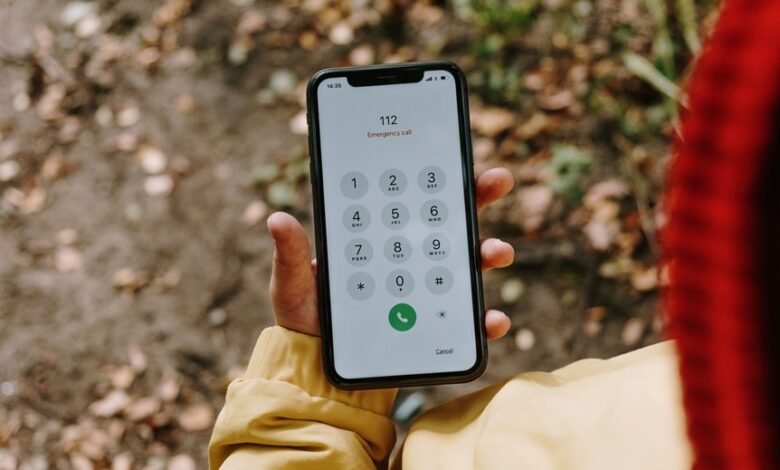
Caller Identity Lookup examines the origins and legitimacy of calls from numbers such as 877-613-7414, 800-532-8082, 4694096578, 312-219-8722, 8003575129, 9152283098, 18882776279, 18004367961, 720-456-3687, and 919893673. The approach cross-references trusted registries, analyzes signaling metadata, and weighs consent and privacy. It aims to enable accountability while reducing abuse and false identification. The implications for policy, user safety, and practical protection invite further scrutiny and practical consideration.
What Is Caller Identity Lookup and Why It Matters
Caller identity lookup refers to the process of determining the origin of a phone call by analyzing metadata and signaling information from the network and device. It provides a framework for evaluating caller identity, enabling privacy protection while exposing caller data for accountability. This has implications for scam mitigation, informing policy choices that balance accessibility, safety, and individual freedom in communication systems.
How to Verify Unknown Callers: Tools, Data, and Tactics
Unknown-call verification relies on a structured combination of tools, data sources, and tactics to determine authenticity while minimizing false positives.
The approach centers on caller verification processes, cross-referencing Caller ID data with trusted registries, and analyzing patterns for Scam indicators.
Privacy safeguards guide data handling, while call blocking remains a measured option when risks persist without overreach.
Blocking, Reporting, and Reducing Scam Calls Safely
Blocking, reporting, and reducing scam calls safely requires a coordinated approach that balances user protection with privacy and legitimate communication needs. The analysis emphasizes proactive screening, caller-ID accuracy, and transparent opt-out mechanisms. Policies should minimize unwanted calls while preserving data privacy, enabling trusted reporting channels and accountable enforcement. Public guidance must be precise, scalable, and aligned with consumer rights and legitimate business interests.
Practical Routines for Everyday Protection and Privacy
Practical routines for everyday protection and privacy build on the groundwork of reducing scam calls by translating policy principles into repeatable, user-safe practices.
The analysis quantifies risk, codifies processes, and prioritizes consent.
Caller identification improves transparency without overreach, while Privacy best practices guide configuration, verification, and sharing controls.
These measures empower users to navigate communications with autonomy and accountability.
Frequently Asked Questions
Are These Numbers Currently Associated With Scams or Telemarketers?
Yes. The numbers show mixed activity, with occasional scam reports and telemarketing use, while some appear unrelated topics in legitimate contexts; ongoing monitoring recommended. The evaluation emphasizes policy-driven safeguards, limiting unsolicited calls and reducing unrelated chatter.
How Can I Trace a Caller’s Location in Real Time?
Tracing a caller’s location in real time is generally restricted; entities may deploy traceability methods within legal frameworks, emphasizing privacy. Real-time tracking requires consent, regulatory compliance, and legitimate purposes to avoid unlawful surveillance and misuse.
Do Caller ID Services Show Spoofed Numbers Accurately?
Spoofed numbers are not reliably accurate; caller ID often fails spoofing detection. The system’s limitations affect location tracking and privacy compliance, demanding policy-driven scrutiny to balance transparency with user freedoms and legitimate security concerns.
What Privacy Laws Govern Storing My Call Data?
Privacy laws vary by jurisdiction, but generally require explicit consent and lawful basis for storing call data. Organizations pursue privacy compliance and establish data retention schedules, minimizing exposure while preserving necessary analytics and accountability for users.
Can I Legally Block All Unknown Calls Without Missing Important Ones?
Blocking unknown calls is possible but not risk-free; legal allowances depend on jurisdictions. The policy stance weighs privacy considerations, permitting selective or reputation-based filtering while preserving essential communications and notifying callers where appropriate.
Conclusion
Caller Identity Lookup systems synthesize call-origin data from numbers like 877-613-7414, 800-532-8082, and others to assess legitimacy, risk, and consent. By cross-referencing registries and signaling metadata, they support informed blocking and reporting decisions while protecting privacy. The policy-driven framework emphasizes transparency, accountability, and user rights. In practice, these tools act as guardrails against abuse, guiding prudent action without overreach—like a compass that points toward safety in a noisy marketplace of calls.