Unknown Caller Search: 833-689-1144, 18447933456, 403-351-0200, 011 5524000, 888-273-5529, 8664482002, 7809660013, 7786224274, 6147296083, 8884135452

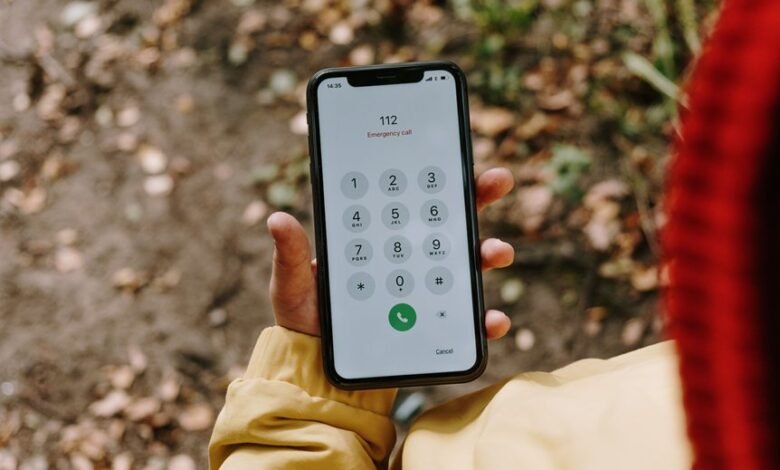
Unknown caller searches involve tracing inbound calls from unfamiliar or spoofed numbers to assess legitimacy. This method relies on reputable databases, reverse lookups, and metadata cross-checks to corroborate origins while observing privacy safeguards. The listed numbers warrant careful verification for anomalies, carrier hints, and status changes. Results should be documented and cross-referenced, with red flags noted. The approach remains methodical and evidence-based, offering a clear path forward for verification and risk assessment, yet an unexpected factor could shift the outcome, prompting continued scrutiny.
What Unknown Caller Search Is and Why It Matters
Unknown Caller Search refers to the process of identifying the origin of inbound calls when caller identification is blocked, spoofed, or otherwise unavailable.
The methodical approach assesses traceability, metadata, and contextual clues to locate sources.
This practice addresses unknown caller concerns and highlights privacy risk, balancing accountability with user autonomy, ensuring evidence-based conclusions without sensationalism.
Precision informs policy and protective measures for freedom-loving audiences.
How to Verify Unknown Numbers: Tools and Tactics
Verifying unknown numbers requires a structured workflow that combines technical checks with contextual intelligence. The process emphasizes reputable databases, reverse lookups, and carrier hints to confirm identity without compromise. Tools for unknown numbers include metadata analysis, call attribution, and time-based patterns. Caller verification relies on cross-referencing sources, documenting results, and maintaining privacy safeguards while assessing legitimacy and potential exposure.
Red Flags That Signal Scams and Privacy Risks
Despite the previous focus on confirming identities, the examination now shifts to identifying red flags that indicate scams and privacy risks. An unknown caller may exhibit urgency, requests for personal data, or pressure to bypass verification tools. Indicators include inconsistent caller IDs, unsolicited offers, and vague scripts. Recognize privacy risks and document patterns to improve verification tools and informed decision making.
How to Protect Yourself and Stay Informed With Practical Steps
A practical approach to protecting oneself begins with clear steps for identifying risks, verifying identities, and reducing exposure to unknown callers. The method emphasizes awareness of unknown numbers and privacy risks, promoting verification, blocking nuisance lines, and logging suspicious activity.
Users stay informed through trusted sources, ongoing updates, and prudent sharing, embracing freedom while maintaining personal security and informed consent. privacy basics, caller etiquette
Frequently Asked Questions
Can Unknown Numbers Be Traced to a Specific Owner?
Unknown Caller information may be traceable only through lawful processes; ownership data requires consent or legal authority. Privacy protections—Caller Privacy—restrict access, while investigators pursue records with warrants, subpoenas, or regulatory requests to identify the caller.
Do Unknown Calls Affect Credit or Personal Data?
Unknown callers do not directly affect credit scores; nonetheless, privacy risks arise through data leakage and social engineering. For example, a hypothetical phishing incident can exploit caller data, highlighting data retention practices and potential credential exposure.
Are There Legal Limits to Logging Unknown Callers?
Unknown caller logging is governed by legal compliance and privacy boundaries; limits exist on retention and disclosure. Data may be used commercially under consent, with strict retention policies, and ongoing reviews to protect privacy while supporting legitimate use.
How Often Should I Update Caller ID Apps?
Updating frequency should be as often as monthly, balancing timeliness and stability. Frequent updates improve app security and accuracy, but excessive updates may disrupt usability. Evidence supports regular, automated checks to maintain reliable caller ID data for freedom-minded users.
Can Unknown Numbers Be Spoofed or Hacked?
Unknown numbers can be spoofed or hacked, presenting risks to communications. The evidence shows unknown spoofing exploits caller ID privacy weaknesses, enabling deception. Privacy-conscious users should use verification, trusted networks, and updated apps to mitigate exposure.
Conclusion
Unknown Caller Search is a disciplined process that combines reputable databases, reverse lookups, and metadata to verify inbound numbers while guarding privacy. By cross-referencing results, documenting findings, and monitoring status changes, investigators can identify legitimacy and mitigate scams. The methodical approach resembles assembling a puzzle from reliable clues, revealing patterns rather than isolated incidents. In an era of spoofed calls, vigilance is essential; cautious verification acts as a sturdy shield against evolving threats.