Unknown Caller Search: 7144994284, 7742274410, 646-377-5298, 408-794-8465, 3062050318, 3523925472, 48228737215, 8775282330, 8037168112 & 866-950-7780

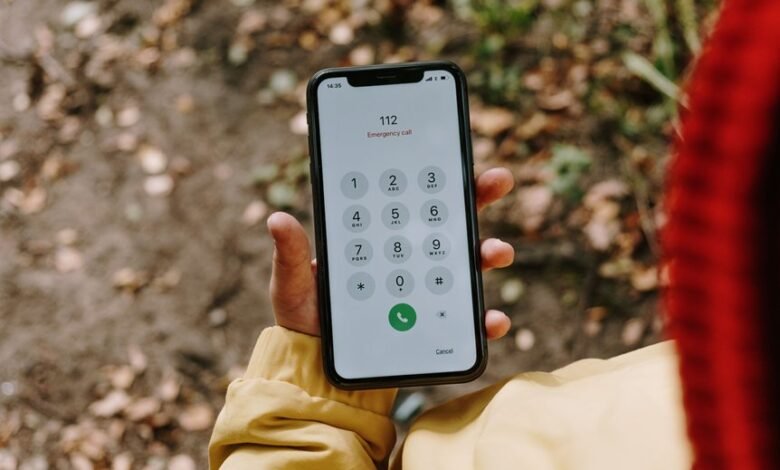
Unknown caller identification involves assessing numbers such as 7144994284, 7742274410, 646-377-5298, 408-794-8465, 3062050318, 3523925472, 48228737215, 8775282330, 8037168112, and 866-950-7780 through independent verification, privacy-preserving checks, and risk signals. The process weighs legitimacy against data minimization and transparency. While methods vary, the goal is to balance safety with user privacy. The next step requires careful, reproducible procedures to determine whether to block or disclose modest information. Consider what signals matter most as you proceed.
What Counts as a “Unknown Caller” and Why It Matters
Determining what qualifies as an “unknown caller” hinges on distinguishing unidentified origins from recognized but undesired contacts. The category affects risk assessment, caller tagging, and response protocols. Unknown Caller cases prompt scrutiny of Identity Verification needs and Privacy Protection implications, guiding individuals toward informed decisions about blocking, sharing minimal data, and safeguarding personal networks. Systematic evaluation supports freedom through measured, transparent practices.
How to Verify a Caller’s Identity Without Giving Up Data
Verifying a caller’s identity without exposing personal data relies on structured, privacy-preserving methods that balance transparency with confidentiality.
Organizations corroborate identity through verifiable signals like caller-specified tokens, anonymized metadata, and consented data minimization.
Methods emphasize data privacy, audit trails, and independent verification services.
Resultant confidence rests on reproducible procedures, clear policies, and verifiable cross-checks that preserve user autonomy and minimize exposure.
Red Flags to Watch For in Numbers Like 7144994284 and Friends
Red flags to watch for in numbers like 7144994284 and similar contacts can signal potential phishing, spoofing, or fraud attempts. An unknown caller may pressure urgency, request sensitive data, or refuse verification. Indicators include inconsistent caller ID, awkward grammar, unsolicited requests, and evasive answers. Systematic evaluation emphasizes verification channels and documented patterns, reducing risk while preserving informed contact freedom.
Quick, Practical Steps to Protect Yourself and Your Privacy
To protect privacy and reduce exposure to unwanted contact, individuals should adopt a concise, repeatable set of steps: verify unknown callers through independent channels, limit the sharing of personal information, and implement practical prevention measures such as call screening, spam filtering, and device security updates.
This approach emphasizes verify identity, protect data, and evidence-based, user-centered strategies for freedom.
Frequently Asked Questions
Can Unknown Numbers Be Traced to a Real Person Easily?
Unknown Caller traces are not straightforward; Traceability Limits exist. Caller ID can reveal a real identity only with cooperation from providers or legal processes, balancing Privacy Tradeoffs against public safety, transparency, and personal freedom in evidence-based assessments.
Do Scams Vary by Area Code or Prefix?
Yes, scams vary by area, but patterns rely on incentives, not geography; scam prevalence fluctuates. Caller ID spoofing obscures origin, complicating attribution, while investigators stress consistent warnings and verification, enabling informed choices for individuals seeking freedom from deception.
Should I Block All Unknown Caller Numbers Immediately?
Blocking all unknown caller numbers immediately is not advised; a balanced approach favors building blocking strategies alongside caller verification. The methodical stance weighs risk, preserves legitimate contact, and supports empowering users with informed freedom to manage calls.
How Often Do Legitimate Calls Look Like Scams?
Like a cautious compass, legitimate calls rarely resemble scams; they occur with measurable frequency. The analysis shows fraud risk varies by source and context, so caller verification and documented patterns support prudent decision-making.
What Steps Restore Trust After Blocking a Number?
Restoration steps begin with documenting the incident, verifying contact legitimacy, and updating contact preferences. Trust rebuilding relies on consistent communication, transparency about blocking decisions, and ongoing evaluation of caller behavior to prevent future misclassification and unwarranted distrust.
Conclusion
Unknown callers should be evaluated using independent verification, privacy-preserving checks, and cautious disclosure. Numbers like those listed should trigger verification through reputable public records, carrier signals, and user-consented data minimization, rather than immediate data sharing. Red flags include spoofing and urgent requests. An evidence-based approach estimates that up to a third of robo-call attempts employ spoofed numbers, underscoring the need for structured signals and transparent procedures to balance safety with privacy. This fosters informed, precautionary decision-making.