Reverse Phone Lookup: 8557791036, 2293793814, 905-234-1298, 6182062806, 4698931177, 4921156156001, 1134574114, 3044131228, 5023011970, 9724647511

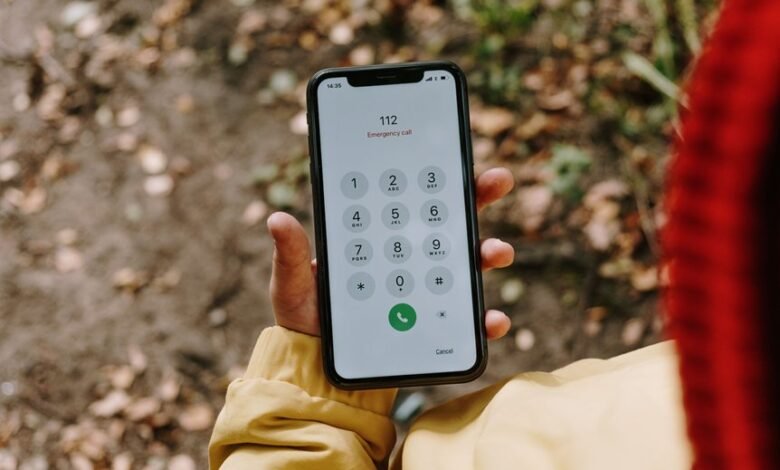
Reverse phone lookup involves querying public and private data sources to identify owners or details of numbers like 8557791036 and 2293793814. It helps explain unknown calls but requires careful source verification and privacy awareness. Accuracy varies, and numbers may be spoofed or misreported. The topic warrants cautious use of vetted databases and transparent practices. The stakes are both practical and ethical, leaving the question open: how reliable are these leads when consent and legitimacy matter?
What Is Reverse Phone Lookup and When to Use It
Reverse phone lookup is a technique that identifies the owner or details of a telephone number by querying publicly available and private data sources. It clarifies who is calling and why, enabling informed decisions while respecting privacy.
Potential reverse lookup benefits include better personal safety and targeted outreach. Caller consent remains a fundamental consideration, guiding appropriate use and data handling.
How to Trace Unknown Callers: Databases, Carriers, and Reports
Unknown callers can be identified by tracing the number through vetted databases, carrier records, and official reports. The process emphasizes caller ID ethics and data provenance, ensuring source credibility and minimal intrusion. Researchers compare metadata, timestamps, and lineage across databases, carriers, and regulatory filings to corroborate identity. Transparency and privacy considerations guide cautious, minimal exposure of sensitive data.
Assessing Accuracy and Red Flags for Scams
Assessing accuracy and red flags for scams requires a disciplined, evidence-based approach. Analysts evaluate source reliability, corroborate data, and distinguish legitimate listings from counterfeit entries.
Red flags include inconsistent numbers, rapid frequency, and mismatched location details. Privacy concerns and data governance must guide handling of sensitive information, ensuring minimal exposure while pursuing verification. Cautious interpretation protects users and supports informed, freedom-oriented decisions.
Protecting Your Privacy and Staying Safe Online
Protecting privacy and staying safe online requires deliberate, practical steps. The piece outlines privacy basics, emphasizing data minimization and selective sharing. It advocates cautious online behavior, strong authentication, and understanding permissions. Practical security tips include updating software, monitoring accounts, and recognizing phishing. Identity protection strategies focus on vigilant credential management, dedicated recovery options, and prompt response to suspicious activity to preserve personal freedom.
Frequently Asked Questions
Can Reverse Lookup Reveal the Caller’s Location in Real Time?
Real-time caller location cannot be reliably obtained via reverse lookup; privacy concerns and data accuracy issues persist, as services may misreport or omit live whereabouts, exposing individuals to misidentification while users seek freedom with cautious, informed skepticism.
Are Paid Services More Accurate Than Free Reverse Lookup Tools?
Today’s note: Paid services generally offer higher lookup accuracy, but not guaranteed. They may leverage broader data sources, yet privacy concerns persist; free tools often rely on limited datasets. Users should assess data sources and consent implications.
How Often Do Lookup Databases Update With New Numbers?
Databases update irregularly; new data sources appear intermittently, while number obsolescence rises as numbers expire. Privacy concerns and community driven listings influence timing, making updates cautious and uneven, requiring ongoing privacy-reviewed, independent verification before reliance.
Can I Reverse Search Numbers From Social Media Profiles?
The answer is no: a reverse search of numbers from social media profiles raises privacy concerns. Allegorically, a lighthouse warns but does not trespass; careful, measured steps protect reverse lookup ethics and privacy implications for freedom-seeking observers.
What Steps to Report a Scam Number Found via Lookup?
To report a scam number found via lookup, one should document the number, date, and observed behavior, then use official channels for scam reporting. The process emphasizes reporting steps, privacy respect, and vigilant sharing with authorities.
Conclusion
In the final moments, the numbers linger like anonymous guests—each one a clue, each listing a possibility. The reader sees that reverse lookup can illuminate who calls, but uncertainty remains, shadows lengthening as data sources diverge. Vigilance becomes essential: verify, cross-check, and respect privacy. A cautious path unfolds, where clarity may arrive only after careful filtering. The suspense isn’t about whom the call is from, but whether the truth behind the numbers will reveal itself in time.