
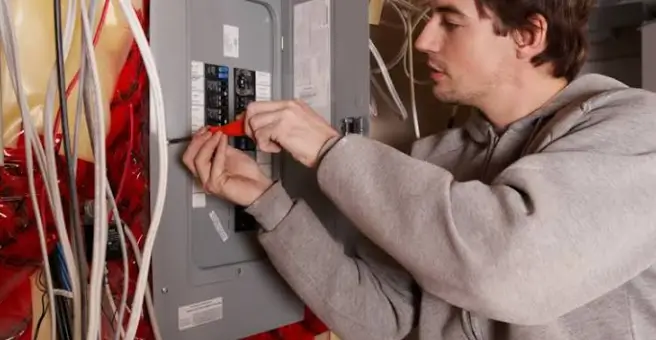
A reliable electrical system is essential for maintaining safety, convenience, and efficiency in residential properties. It distributes electricity to different areas of a home and supports the operation of appliances, lighting fixtures, heating equipment, and electronic devices. However, electrical infrastructure can deteriorate over time, especially when household electricity consumption increases.
Understanding the benefits of modern electrical improvements can help homeowners identify potential problems, maintain dependable power distribution, and prepare their properties for future electrical requirements.
Why Modern Electrical Infrastructure Is Important
Modern households rely on electricity for numerous everyday activities. Kitchen appliances, air conditioning systems, computers, televisions, and charging devices all contribute to overall electricity consumption.
Older electrical installations may not always be suitable for the demands of modern households.
Maintaining appropriate electrical infrastructure provides several important benefits:
- Improved electrical reliability throughout the home.
- Better protection against excessive electrical current.
- Support for modern household appliances.
- Reduced risk of problems associated with overloaded circuits.
- Greater flexibility for future home improvements.
- More convenient electrical maintenance and troubleshooting.
Professional evaluation helps homeowners determine whether their existing equipment remains suitable for continued use.
Common Problems Associated With Aging Electrical Equipment
Electrical components can experience wear and deterioration due to regular operation, environmental exposure, and changing electricity requirements.
Frequently Tripping Circuit Breakers
Circuit breakers interrupt electrical current when certain unsafe conditions occur, including excessive current and short circuits.
Repeated tripping may indicate overloaded circuits, defective appliances, damaged wiring, or other electrical faults.
A qualified electrician should investigate recurring interruptions to determine their cause.
Overheating Electrical Components
Excessive heat may develop due to loose electrical connections, overloaded circuits, or defective equipment.
Warning signs can include burning odors, discoloration, and deteriorating insulation.
These symptoms require urgent professional attention because they may indicate a serious electrical hazard.
Limited Circuit Availability
Older electrical distribution systems may have insufficient space for additional circuits.
Homeowners planning renovations or installing new appliances should arrange a professional assessment before modifying their electrical infrastructure.
Moisture and Corrosion
Water intrusion can damage internal electrical components and contribute to corrosion.
Visible rust, condensation, or water stains around electrical equipment should be investigated promptly.
Important Reasons to Modernize Your Home Electrical System
Electrical improvements can become necessary as household requirements change.
Supporting Additional Appliances
Modern homes frequently use high-powered equipment such as air conditioners, electric ovens, water heaters, and clothes dryers.
Appropriate electrical infrastructure helps accommodate these appliances safely.
Preparing for Home Renovations
Kitchen remodeling, additional rooms, and other property improvements may introduce new electrical requirements.
Professional planning helps determine whether existing circuits and distribution equipment can support these changes.
Improving Electrical Reliability
Damaged or deteriorating equipment may contribute to unexpected interruptions and unsafe electrical conditions.
Suitable repairs or replacement can help restore dependable operation.
Accommodating Future Technology
Electric vehicle chargers, home automation systems, and other modern technologies may increase household electricity demand.
Evaluating future requirements allows homeowners to make informed electrical planning decisions.
When Should Homeowners Consider Replacing Existing Equipment?
Not every electrical problem requires replacing an entire distribution system. Some concerns can be resolved through professional repairs or the replacement of individual components.
However, an electrical panel replacement may become necessary when existing equipment is significantly deteriorated, contains unsuitable components, or cannot safely accommodate the property’s calculated electrical requirements.
A licensed electrician can evaluate the installation, perform appropriate load calculations, and determine whether replacement is the most suitable solution.
How Professional Electricians Evaluate Electrical Systems
A comprehensive electrical assessment involves examining several important aspects of the existing installation.
Inspecting Electrical Components
Qualified electricians can examine circuit breakers, connections, and other essential components for evidence of damage or deterioration.
Evaluating Electricity Requirements
Professional load calculations help determine the electrical capacity required for the property.
Reviewing Existing Wiring
Damaged insulation, improper connections, and other wiring concerns may affect electrical safety.
Professional inspection helps identify issues requiring corrective action.
Considering Future Electrical Demand
Planned renovations and additional appliances may influence the electrical improvements required.
Recommending Appropriate Solutions
Based on inspection findings, electricians can recommend repairs, compatible component replacement, or more extensive modifications.
Essential Maintenance Tips for Residential Electrical Safety
Proper maintenance helps homeowners reduce electrical problems and support long-term equipment reliability.
Keep Electrical Equipment Accessible
Avoid storing furniture, boxes, or other household materials directly in front of electrical distribution equipment.
Maintaining appropriate working clearance allows professionals to perform inspections and repairs safely.
Protect Equipment From Water Exposure
Moisture can damage electrical components and create potentially dangerous conditions.
Any evidence of water intrusion should receive professional attention.
Avoid Overloading Electrical Circuits
High-powered appliances should be connected to appropriately rated circuits according to their electrical requirements.
Maintain Accurate Circuit Labels
Clearly identifying individual circuits helps electricians perform maintenance and troubleshooting more efficiently.
Schedule Professional Inspections
Periodic assessments can help identify developing electrical problems before they become serious.
Why Professional Installation Matters
Electrical distribution equipment contains potentially dangerous components that may remain energized even when the main breaker is switched off.
Attempting internal repairs or modifications without proper training can expose homeowners to serious electrical hazards.
Licensed electricians have the technical knowledge, specialized equipment, and professional qualifications required to perform electrical work safely.
Professional installation also helps ensure that electrical modifications comply with applicable codes and manufacturer specifications.
Long-Term Advantages of Maintaining Modern Electrical Infrastructure
An appropriately designed electrical system supports the changing needs of residential properties.
Suitable electrical equipment helps maintain reliable power distribution while accommodating current household appliances and planned improvements.
Preventive maintenance can also reduce unexpected interruptions and identify deteriorating components before significant problems develop.
By investing in professional assessments and timely electrical improvements, homeowners can maintain dependable electrical performance and support long-term property safety.
Conclusion
Modern electrical infrastructure is essential for maintaining a safe and reliable residential environment. Aging equipment, increasing electricity consumption, and additional household appliances can create electrical challenges that require professional attention.
Recognizing warning signs, arranging regular inspections, and planning necessary improvements can help homeowners maintain electrical safety and reliability.
With suitable equipment, qualified installation, and responsible maintenance, residential properties can support everyday electricity requirements while remaining prepared for future technological developments.