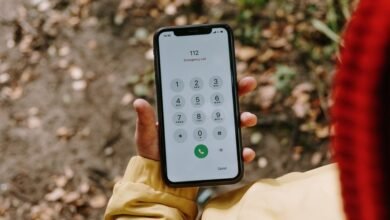
Caller Information Search: 6507709905, 9478880418, 877-200-0882, 6012553206, 8339504388, 1171060372, 6812473091, 602-858-6226, 858 251 1550 & 4055886043


Caller Information Search focuses on linking phone numbers—such as 6507709905, 9478880418, 877-200-0882, and others—to verifiable context while prioritizing privacy and consent. The approach is data-driven and auditable, emphasizing source validation and minimal disclosure. It weighs protective safeguards against intrusive profiling, aiming to deter scams and empower user autonomy. The discussion centers on balancing transparency with ethics, yet a critical question remains: how can practical verification be achieved without overstepping boundaries?
What Is Caller Information Search and Why It Matters
Caller information search refers to the process of retrieving data tied to a phone number or caller, including ownership, location, call history, and associated devices.
In data-driven terms, it maps identifiers to context, enabling informed decisions while protecting user autonomy.
The practice emphasizes caller identification and data privacy, balancing transparency with limits on data exposure and consent, to support responsible information use.
How to Trace Unknown Numbers: Tools, Tactics, and Red Flags
Unknown numbers pose a risk to individuals and organizations, but structured tracing can mitigate this risk by combining source verification, public and private datasets, and device-level indicators. Data-driven methods emphasize privacy-first safeguards, minimizing exposure.
Effective tracing highlights privacy risks and consent considerations, balancing transparency with user autonomy while avoiding intrusive probes.
Analytical signals prioritize verifiable metadata, reducing false positives and supporting accountable, freedom-oriented investigative practices.
Verifying Identities Safely Without Invading Privacy
From methods used to trace unknown numbers, a pivot toward verifying identities safely without invading privacy emerges by emphasizing verifiable signals and consent-driven processes.
The approach hinges on verification ethics and transparent data provenance, prioritizing user control and minimal disclosure.
Privacy safeguards reduce risk while preserving trust, enabling cross-checks through consented, auditable signals rather than intrusive profiling for accurate, respectful identity validation.
Practical Field Steps to Protect Yourself From Scams and Spam
Practical field steps to protect oneself from scams and spam rely on data-driven, privacy-first methods that minimize disclosure while maximizing detectability. The approach emphasizes caller privacy, empirical screening, and proactive alerting. By elevating scam awareness, individuals implement layered defenses, verify sources, and restrict sharing. Two topics, dvě topics, are integrated: education and verification, ensuring freedom through informed, cautious engagement with unfamiliar communications. continuous improvement.
Frequently Asked Questions
Can These Numbers Be Used for Business Contact Verification?
Yes, they can be used for business contact verification, but require careful handling. The discussion centers on Business verification, Privacy implications, Revenue impact, and Compliance concerns in a data-driven, privacy-first framework for freedom-seeking audiences.
What Legal Risks Exist in Tracking Numbers Online?
Suspense tightens as one notes: tracking numbers online risks legal exposure, including privacy compliance and data ethics concerns. The practice may trigger data protection violations, consent gaps, and regulatory scrutiny, demanding rigorous privacy compliance and disciplined data ethics governance.
How Accurate Are Reverse Lookup Results for These Digits?
Accuracy of reverse lookup varies; results are not uniformly reliable and often depend on data sources. Privacy-first analyses emphasize limited geographic origin disclosure, with potential inaccuracies, incomplete records, and lag between number changes and updates.
Do Numbers Imply Geographic Origin or Carrier Type?
Yes, numbers can indicate Caller origin and Carrier type, but with caveats: Verification uses vary; Reverse accuracy fluctuates; Update frequency affects reliability. Data-driven privacy-first analysis notes potential legal risks and emphasizes responsible handling of caller origin and carrier type.
How Often Should You Re-Check Caller Information for Updates?
Recency checks should occur at least daily to maintain data freshness. Acknowledging privacy-first priorities, verification frequency and update intervals must balance timeliness with minimization of unnecessary data processing, supporting transparent, data-driven decisions and user autonomy.
Conclusion
In the end, caller information search should be a disciplined blend of verification and restraint. Data-driven signals—ownership records, reputation metrics, and consented metadata—offer transparency without overreach. Unknown numbers require cautious cross-checking and auditable trails, not intrusive profiling. By privileging privacy, we reduce harm while empowering informed decisions. As the adage goes: trust but verify. When applied consistently, this approach safeguards users, deters scams, and preserves autonomy.