Phone Number Verification: 8004264149, 2028131600, 4092259176, 8552413565, 9377023731, 5027805767, 5703738058, 833-784-0781, 4805503294 & 844-766-8319

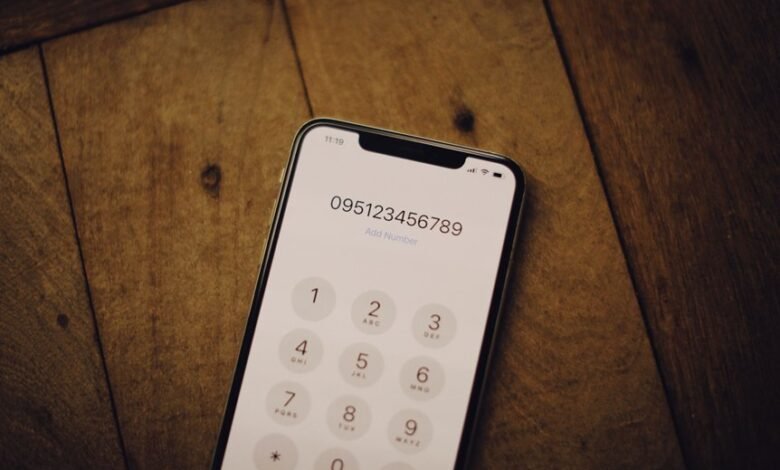
Phone number verification is a gatekeeper for trust in digital interactions. The list—8004264149, 2028131600, 4092259176, 8552413565, 9377023731, 5027805767, 5703738058, 833-784-0781, 4805503294, and 844-766-8319—highlights how identity checks underpin security, yet behind each signal lies a balance between assurance and privacy. Strong signals and transparent processes matter, but the real question is how to apply structured steps to sustain dependable outcomes without impairing user autonomy. The next move could redefine every verification decision.
What Is Phone Number Verification and Why It Matters
Phone number verification is a process that confirms a user’s ownership of a telephone number before granting access to an account or service.
The verification concept centers on identity assurance and control.
It enhances security by reducing impersonation, but attention to security consequences and data privacy is essential.
This balance empowers users while safeguarding access and autonomy.
How Verification Works Behind the Scenes
How does verification unfold behind the scenes to safeguard access without slowing users down? The process maps a streamlined verification workflow: credential checks, tokenization, and risk scoring run in parallel with minimal latency. Decisions balance friction and security, preserving user freedom. Security implications prioritize layered controls, while transparency stays crucial for trust and scalable, user-centric authentication.
Spotting Legit Messages vs. Scams: Signals to Trust
Distinguishing legitimate messages from scams hinges on clear signal cues and disciplined verification. The framework emphasizes trust signals: verified sender IDs, consistent language, and verifiable context. Scam indicators include urgency, requests for personal data, and unexplained offers. Audiences seeking freedom should scrutinize provenance, cross-check sources, and resist impulse responses, reinforcing autonomy through cautious, deliberate engagement with communications.
Practical Steps to Your Best Verification Experience
To apply the lessons from spotting scams to practical verification, a structured, step-by-step approach is presented for authenticating messages and numbers.
A disciplined verification workflow prioritizes corroborating sources, cross-checking sender data, and validating security signals.
Practitioners maintain autonomy by documenting decisions, avoiding rushed judgments, and enforcing consistent criteria.
This method enhances trust, efficiency, and freedom in digital communications.
Frequently Asked Questions
Can I Opt Out of Verification Calls or Texts?
Yes, opt out options exist and privacy safeguards apply. The policy emphasizes user control, enabling individuals to decline verification calls or texts while preserving core usability, ensuring freedom to disengage without compromising essential services.
Which Countries Support These Verification Numbers?
Countries support varies by provider; verification numbers operate across many regions, yet not universally. The statement contrasts availability with limitations, highlighting that users seeking freedom should verify local compliance, portability, and potential opt-out options for each country.
How Long Does Verification Typically Take?
Verification duration varies, but typically completes within minutes to a few hours, depending on system load and verification method; privacy safeguards are designed to minimize data exposure while ensuring rapid, reliable identity checks for users seeking freedom.
Are There Costs for Verification Messages or Calls?
Approximately 28% of users opt for text verification, illustrating a preference for quick, hands-off processes. The answer notes the cost policy and consent options, clarifying that rates vary by provider and region, with transparent, user-controlled consent.
How Is My Personal Data Protected During Verification?
Data privacy implications are prioritized, as verification security measures minimize data exposure and employ encryption, access controls, and audit trails; safeguards help protect personal data while preserving user autonomy and trust, supporting a secure, freedom-respecting experience.
Conclusion
In sum, phone number verification is the superhero cape nobody notices until it’s needed. Behind the scenes, seals, signals, and invisible risk meters pretend to be glamour, while users pretend not to notice the latency. The result is trust with fewer impersonations and fewer headaches—until the next verification asks for just one more selfie. In practical terms: verify, cross-check, document, and sleep soundly knowing the truth is just a digit away from becoming a certainty. Satire included, results: efficiency.