Reverse Phone Lookup: 2015550123, 2107623920, 800 555 0433, 646-664-2253, 844 853 6686, 8552424724, 6159046798, 8884314549, 8664073323, 913356916

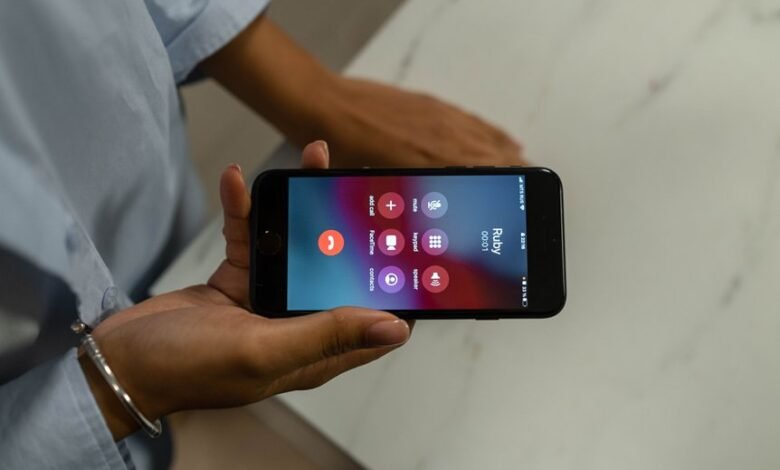
Reverse phone lookup raises questions about accuracy, sources, and privacy. Evaluating numbers such as 2015550123, 2107623920, 800 555 0433, 646-664-2253, 844 853 6686, 8552424724, 6159046798, 8884314549, 8664073323, and 913356916 requires careful verification across multiple databases and timestamps. The goal is informative, not definitive, with attention to legality and data sensitivity. A cautious approach invites further scrutiny of results and methods before acting, leaving key uncertainties to be resolved as the process continues.
What Is Reverse Phone Lookup and Why It Matters
A reverse phone lookup is a method for identifying the owner or source of a telephone number by querying a database with that number. It provides context about calls, messages, or risks, informing decisions without revealing unnecessary details.
Privacy implications arise from data aggregation, storage, and sharing. Data sources vary in reliability, scope, and legality, shaping confidence and caution in usage.
How to Evaluate a Phone Lookup Service: Features, Accuracy, and Costs
Evaluating a phone lookup service hinges on three core considerations: features, accuracy, and cost.
The evaluation should emphasize data sources, transparency, and update frequency, while avoiding irrelevant topics and unrelated considerations that do not prove reliability.
Users seek freedom in choosing trustworthy options, so the analysis remains restrained, objective, and precise, highlighting practical trade-offs without excessive speculation or marketing language.
Step-by-Step Guide: Look Up Each Number (Examples Included)
To perform a step-by-step lookups of each number, begin with a clear plan: list numbers, select a lookup tool, document results, and verify with multiple sources. The process applies a disciplined reverse lookup approach, noting sources and timestamps. Maintain privacy considerations by limiting data exposure. Record findings succinctly, compare discrepancies, and finalize with cautious documentation for freedom-minded audiences.
Staying Safe and Avoiding Scams: Best Practices After a Lookup
After conducting a lookup, individuals should immediately verify the caller’s legitimacy, suspend judgment, and proceed with caution. The approach emphasizes privacy considerations and scam awareness, resisting impulse responses. Seek corroborating details, document interactions, and avoid sharing sensitive data. If unclear, disengage and report suspicious activity. Transparent records aid accountability, while informed skepticism protects personal freedom and minimizes risk in future inquiries.
Frequently Asked Questions
Are There Free Reverse Lookup Options With Complete Results?
Free reverse lookups rarely offer complete results; users should beware. Some free databases exist, but privacy concerns, incomplete data, and outdated entries limit usefulness for comprehensive results. Exercise caution and verify with trusted sources.
Can You Trace Voip or Spoofed Numbers Reliably?
Difficult but possible: trace voip and spoofed numbers with limited reliability. The method preserves privacy while offering cautious traces, yet outcomes vary, urging skepticism and respect for consent as capabilities and restrictions evolve.
How Often Are Lookup Databases Updated for Accuracy?
Updated data cadence varies by provider, with many updating daily to weekly; gaps exist. Privacy tradeoffs emerge from frequent updates, yet delayed entries hinder accuracy. Overall, users should assess data freshness against freedom to self-determine risk.
Do Results Include Caller Location or Just Owner Name?
Caller location may be included, but owner name is not guaranteed and varies by service; free options exist, yet results should be treated cautiously, as accuracy and privacy considerations influence what data is shown and how it’s used.
Is There a Privacy Risk From Sharing Numbers Publicly?
Yes, there are privacy risks from sharing numbers publicly; data sharing can expose contact details, enable profiling, and invite misuse. Careful consideration is advised, balancing freedom with safeguards to minimize unnecessary exposure and potential harm.
Conclusion
Conclusion (75 words, ironic tone):
In the grand tapestry of modern diligence, reverse lookups promise certainty with a few keystrokes, and yet secrecy masquerades as clarity. We compile timestamps, cross-check sources, and still learn nothing definitive about every caller. Privacy? A distant virtue. Legality? A moving target. The more data we gather, the more we must question what we truly know. If accuracy were perfect, we’d stop worrying; instead, we’re advised to verify again, and again, and again. Irony, duly noted.